Easy How To Mint An NFT Guide: What is Minting an NFT?14 min read
Non-Fungible Tokens (NFTs) provide fresh opportunities to acquire and sell artworks compared to the traditional art market, copyright regulations, and auction houses.
According to data from Chainalysis, the NFT market surpassed $41 billion in 2021 and are showing an upward growth trend.
The world of NFTs, especially creating and minting them, can seem inaccessible to up-and-coming artists who have all of the talent but less know-how on how to showcase it.
If you want to skip straight to the 3 options of how to mint an NFT, including how to mint an NFT for free, click here.
If you would rather get clued in on common NFT questions then skip to the NFT Minting FAQs, or read on for the How to Mint an NFT guide.
So how does someone even go about creating and selling an NFT?
For those newly delving into the world of NFTs, blockchain, cryptocurrency and digital art, there is a lot of confusion surrounding the jargon associated with all of these terms.
This can make the world of the Metaverse seem difficult to imagine being a part of.
At Metaverse Mona, we have put together a quick step-by-step guide on the infamous NFT “minting” process so you can learn what you need to get started with your own digital art journey, without thinking that minting an NFT is a skill reserved for the coders and tech-geeks of the world.
Here, we teach you 3 options of how to mint an NFT, including how to mint an NFT for free, to help clear the air along with answering some of the frequently asked questions.
How to Mint an NFT
a) The NFT Minting Guide: Up Front Gas Fee
To put it quite simply, “minting” a non-fungible token (NFT) is making it publicly available for purchase through its unique publication on the blockchain.
What You Need to Mint an NFT:
To create and mint a new NFT from scratch, you will need:
- Access to a Cryptocurrency Blockchain
- A Trading Platform for NFTs
- A digital cryptocurrency wallet
How to Mint Your NFT:
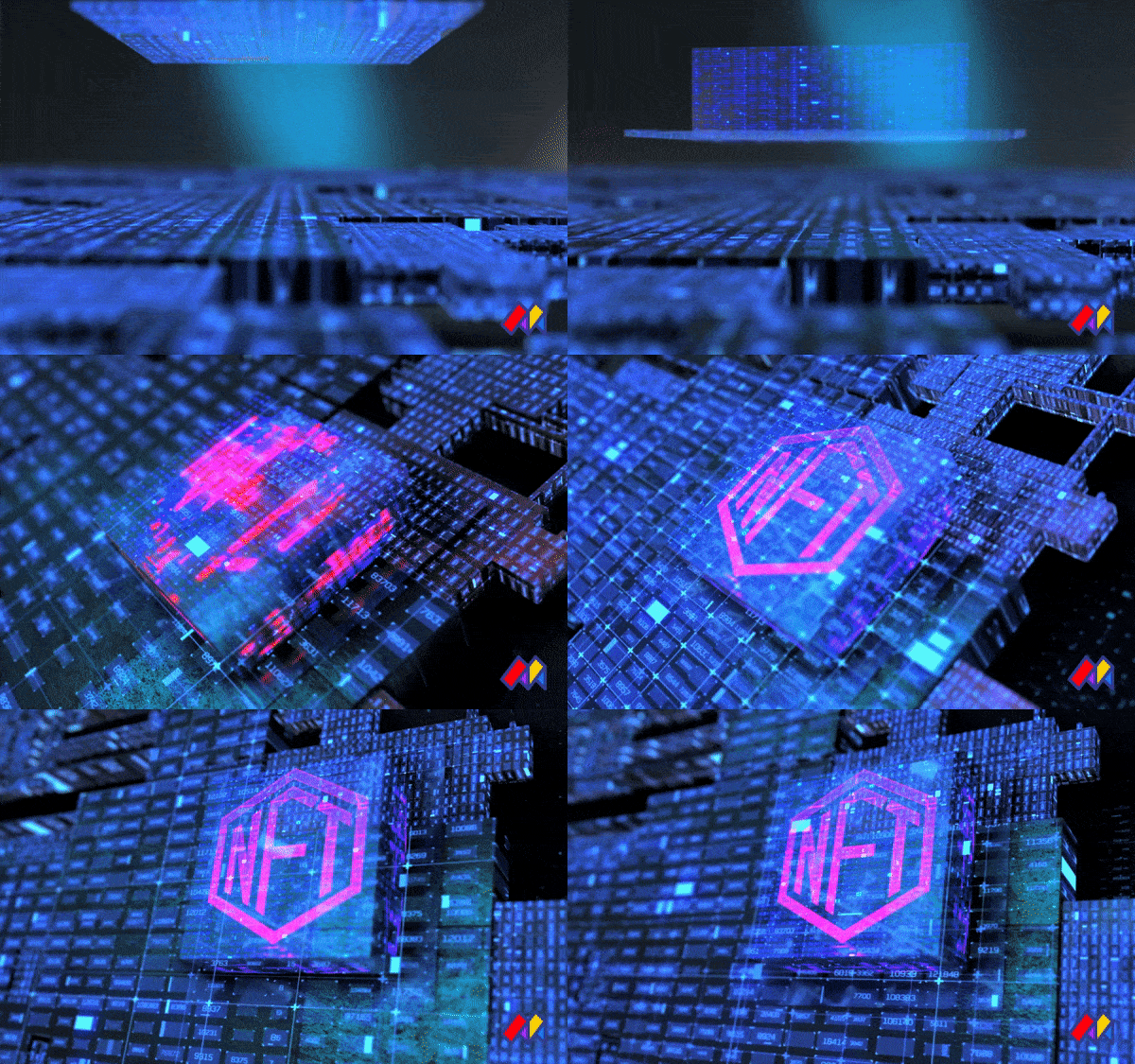
- Choose the platform on which you wish to mint your NFTs. Note that each platform may require different compatible wallets so check the platform you choose supports the wallet you want to create(popular platforms include: Enjin, The BNB Chain, Nifty Gateway, Rarible, OpenSea, Proton Mint, Zora)
- Next, create the appropriate digital wallet, especially one that is capable of storing cryptocurrency safely (well-known wallets include Coinbase, MetaMask, and Rainbow).
- Once you have selected and created your new digital cryptocurrency wallet, you may purchase any amount of cryptocurrency to pay for the NFT’s minting process.
- After completing these steps, you’re ready to connect your payment method with an online platform/store. Note also that some platforms may stock all manner of NFTs but may be geared toward one over the other such as gaming NFTs more than art NFTs on Enjin.
- Making the digital file that will serve as your NFT is the initial step in NFT creation itself (NFTs may be made from any copyright-free digital file, such as a JPEG, MP3, GIF, or PNG, provided that it is compatible with the target market).
- One or more pictures may be used to “make a collection.” Name, description, price, and other information may be attached to your token depending on the exchange to which your wallet is connected. Upload it and add any required informtion.
- When you submit this NFT to the marketplace, it will incur a nominal charge that will be deducted from your funds in our wallet. Your NFT is considered to have been “minted” when the metadata is added and the publication occurs.
- Your NFT may now be offered for sale on the exchange. The NFT may be kept secret if desired.
- A spectator may place a bid once the NFT is available for trading.
- If a user receives an offer that meets their expectations, they may close the deal immediately.
If the artist is able to monitor subsequent sales of their works on secondary markets after the original sale on the platform of their choosing, then a royalty of 10–30% might be established for NFTs. You can track NFT sales with the day’s top sellers on several online marketplaces. Check our Royalties section in the FAQs.
Digital artists may benefit greatly from minting their NFTs. Even if there are more involved processes for coding and manufacturing NFTs, making a digital artwork that can be sold is made simple by the abundance of online markets and wallets.
b) The Temporary Free Alternative to Minting NFTs: “Lazy Minting.”
In its most basic form, lazy minting refers to a process in which NFT inventors and artists are granted permission to delay payment of the charges associated with minting. In this case, the actual process of minting is bypassed altogether and is only carried out after the NFT has been sold.
Note that the buyer, and not the inventor, is responsible for covering the cost of minting the NFT. In order for this tactic to be successful, you will need to make sure that the price at which the NFT is sold is greater than the cost of minting it.
As new NFTs are not created until after a purchase has been made, there is a decreased need for computing power. However, this does not mean that all NFTs will ever be placed up for sale. By providing free minting options, the most prominent NFT markets also help NFT makers and digital artists get exposure to a wider audience.
But can you Mint an NFT For Free?
c) The Free Alternative to NFT Minting: How To Mint an NFT For Free
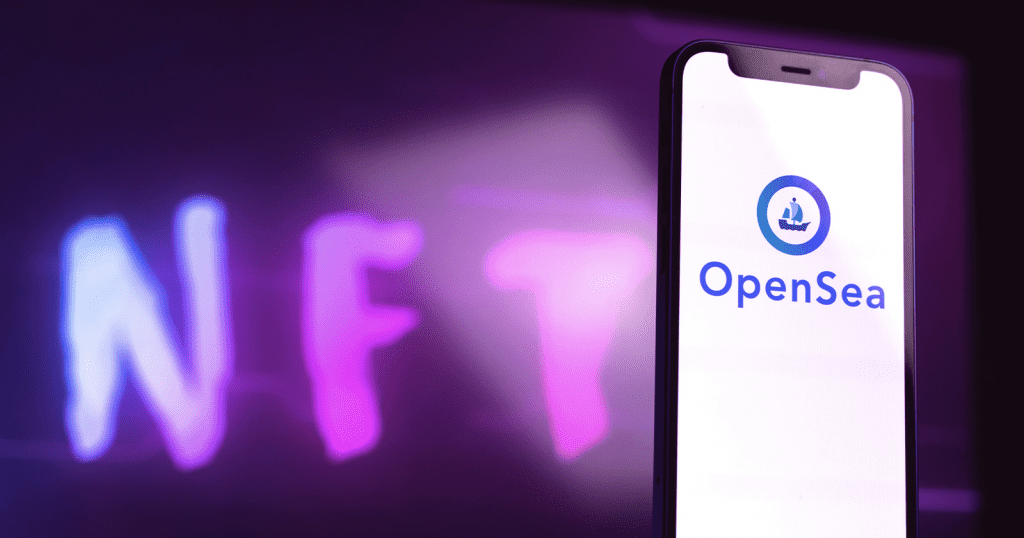
Let’s take an example to show you how to mint NFTs for free on OpenSea:
- Connect your Ethereum wallet to your OpenSea account. It might be a Coinbase or MetaMask wallet.
- Create an OpenSea Collection by going to the OpenSea dashboard and selecting the Create a Collection button.
- Create your first OpenSea collection by personalizing it. Take a look at the logo, banner, name, and description.
- Choose your preferred blockchain. Choose the Polygon blockchain for minting without paying gas fees.
- Begin minting your NFTs by selecting “Collection” and then “Add Item.” The pricing must be at least $2 according to OpenSea.
Note that you will have to select the Polygon blockchain as the option to mint NFTs for free.
Who pays the Gas Fee When You Mint an NFT For Free?
While you will not be required to pay to mint the NFT, the buyer will have to make up for the costs. Purchasers must pay the Ethereum gas costs to mint NFTs on the blockchain at the time of transaction, which may dissuade many potential buyers, particularly if the NFT price is substantially lower than the gas fees themselves.
Now that you know the three ways you can mint an NFT: At “Gas fee up front”, “Temporarily free” and “Free to creator”
NFT Minting FAQs
What is Minting and NFT and why is it called that?
The term “NFT Minting” describes the action of incorporating digital material or artwork into a blockchain.
Polkadot, WAX, Ethereum, Tron, Cosmos, Tezos, EOS, Flow, and Binance Smart Chain are all blockchains that support the NFT Token standard.
Like physical coins (where minting is the process of manufacturing coins using a kind of stamping), NFTs are first “minted” before being injected into circulation.
When material is “minted” as an NFT, it becomes a digital asset that may be traded on NFT exchanges for cryptocurrency.
What Are the Reasons to Mint an NFT?
A creator mints an NFT to make it commercially accessible for purchase.
A consumer may be required to mint an NFT they have been given through a contract. Here, the NFT you have acquired will be “revealed” or released after you have minted it.
How Much Does it Cost to Mint an NFT?
What Affects Costs?
- You should be aware, before moving further with the minting of your NFT, that the blockchain you choose to use may have a significant effect on the overall cost of manufacturing.
- The time of day that you mint (night time is preferable since there is less traffic).
According to certain research, the gas costs for Ethereum are lowest on Saturdays and Sundays. Because the network is most congested throughout the week, gas prices are often highest on Tuesdays and Thursdays.
- The pace you choose to mint at
- The floor price or secondary market value
These are all additional elements that contribute to the overall cost of minting. Therefore, keep this in mind before moving further with the NFT-creating process.
When it comes to minting NFTs, some of the most probable expenses that you’ll have to pay include the following:
- Gas fees: In order to generate new NFTs through minting, the majority of blockchains need that at least one transaction be conducted on the network first. You will be subject to gas surcharges as a result of this transaction. The fee that is directly delivered to the miners who provide the computational power that is required to verify transactions in the first place is referred to as the gas fee.
- Account Costs: Costs associated with maintaining an account are variable and are determined by the NFT marketplace of your choosing.
- Fees For Listing: There are certain platforms that do not charge creators to mint NFTs; nevertheless, if you want to put your NFTs for sale on those platforms’ marketplaces, you will be required to pay a listing fee.
Dollar Costs of Minting an NFT:
The cost of producing new NFTs or minting existing ones has become more volatile as a consequence of this new developments in how they can be used. The shifting price rates have also been a topic of discussion among NFT musicians.
The overall price of minting a basic non-fungible token (NFT) may range anywhere from $1 to $1000, according to per Slate, on average, but you may find it is even more.
The cost to establish an account with some of the most popular NFT wallets ranges from approximately $70 to $130. There are various solutions available to you that do not cost anything, or charge the fees after the sale (Lazy Minting which we will talk about below).
An ideal platform would be one that is trustworthy and safe for doing business, user-friendly, and intuitive enough to make the process efficient and painless.
Why Is There Such a Wide Range in the Cost of Minting?
Ethereum levies a price, which they refer to as the “gas fee,” for the processing of transactions and the creation of contracts on the blockchain.
In effect, you are paying for the processing power of the computer, also known as the energy, that is required by the blockchain in order to generate the NFT and registering any alterations to your requirements.
If you are going to be changing prices, listing pieces for sale, and generally trading with these collectibles, you will want to keep a small amount of ETH in your crypto wallet that holds your NFT to cover the “gas fee.” This is especially important if you are going to be trading with these collectibles.
A certain level of educated guesswork is required in order to determine the exact cost of the ETH gas charge. In most cases, you will have the opportunity to choose your pace.
It will cost you more money to have your NFT minted quickly, but if you have are willing to wait it out, you may go with the alternative that will take longer but will be less costly.
How Can You Make Passive Income Through NFTs? Royalties Explained
NFT royalties pay original creators of non-fungible tokens for their usage and subsequent sales (NFTs). Royalties pay a portion of sales or earnings to the originator.
When minting NFTs, the owner sets royalties as an option during the process and decides on the percentage at that point.
When an NFT is sold in a marketplace, the creator receives a royalty. NFT royalties average 5-10%. In most NFT markets, the creator may set their royalty portion and following payments are automated.
NFT creators may earn passive money via everlasting royalties, tracked on the blockchain. Some of the best NFTs have generated millions in sales.
Can You Make Money Selling NFTs
NFT investors can make money by selling NFTs for a profit, as with anything else. Royalties of these subsequent sales would still go to the original NFT creator.
Take-Away
Minting NFTs for free has its advantages and disadvantages. Make sure you complete your homework. There are several NFT wallets and markets that enable artists and NFT creators to create and store NFTs at reasonable pricing.
More significantly, learning how to properly promote your NFT is critical to the artwork’s success.
Top Picks For Minting Platforms
Top Picks For Wallets
Read Next:
Click here for our post on 7 Best Blockchains For NFTs
And for the best Metaverse Platforms to play to earn and exchange tokens, check out this post: Top 21 Best Metaverse Platforms To Enter, Play & Invest 2022
Then to join the virtual reality revolution and get your own piece of the Metaverse, learn more about how to buy land in the Metaverse and Metaverse Real-Estate opportunities, check out this post: Metaverse Land-Buying Guide: How To Buy Land In The Metaverse?
Metaverse Mona : Join The Future